10 Beginner Craps Mistakes—and What to Do Instead
Beginner guide · Bankroll control · Rules and table procedure
The biggest beginner craps mistakes are not failing to predict the dice. They are risking more than intended, betting without knowing what settles the wager, using poor chip amounts, acting after the dice move, and chasing losses with a progression.
Sam’s beginner rule
If you cannot explain a wager’s win condition, loss condition, payout, house edge, and maximum amount exposed on the next roll, do not place it yet. Watch, ask, or practice first.
1. Learning bets before learning the round
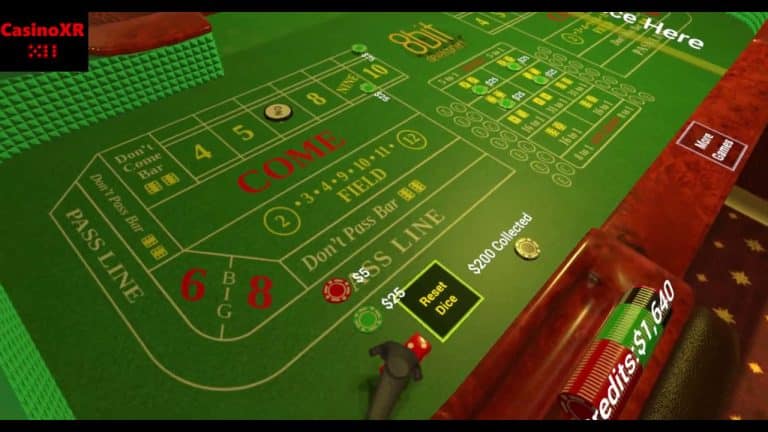
A newcomer may memorize a Place payout without understanding the come-out, point, puck, and seven-out. Learn the Pass/Don’t sequence first. It gives every later wager a table context.
2. Treating the table minimum as total risk
A $10 table does not mean only $10 is exposed. A $10 Pass bet, $20 Odds, and two $12 Place bets put $54 at risk across different outcomes. Count the whole layout, not the smallest sign.
3. Making too many simultaneous bets
Covering more numbers creates more frequent small wins but also more total action and more ways for one 7 to collect several bets. Add one wager at a time and know the expected dollar cost.
4. Thinking free Odds means risk-free
Odds has zero house edge when paid at true odds, but the wager can still lose. It also requires a negative-expectation flat bet and increases the dollars exposed. Take only an amount your session limit can absorb.
5. Chasing streaks with a progression
Pressing after wins or increasing after losses changes bet size, not the next roll’s probability. A Martingale or hot-hand progression can produce many small wins followed by a large loss, and table limits stop unlimited recovery.
6. Using awkward payout amounts
| Wager | Clean unit | Reason |
|---|---|---|
| Place 6 or 8 | Multiple of $6 | Pays 7 to 6 |
| Place 5 or 9 | Multiple of $5 | Pays 7 to 5 |
| Place 4 or 10 | Multiple of $5 | Pays 9 to 5 |
| Pass/Come Odds on 5 or 9 | Even amount | Pays 3 to 2 |
| Pass/Come Odds on 6 or 8 | Multiple of $5 | Pays 6 to 5 |
| Horn | Multiple of 4 | Divides across four numbers |
Other amounts may be rounded down or handled under house rules. Ask for a correct unit before betting.
7. Making late or unclear bets
Make changes while the stickperson controls the dice. State amount, bet, and number. If the dealer has not acknowledged the request before the throw, do not reach into the layout to fix it.
8. Ignoring table-specific rules
Field payouts, maximum Odds, commission timing, working status, bonus paytables, and electronic features vary. A rule remembered from another casino is not evidence. Read the placard and ask.
9. Failing to check bets and payoffs
Know which chips are yours, whether they are working, and what they should pay. Check a payoff in the apron before mixing it into your rail. Raise a discrepancy calmly before the next roll.
10. Playing without a stop condition
Set a time limit and loss limit before joining. Do not use borrowed money, chase a loss, or play while alcohol, fatigue, anger, or excitement is overriding the plan. Leaving is a valid decision even when the table feels hot.
No strategy makes craps profitable in the long run. Lower-edge bets reduce expected cost; bankroll rules limit damage; neither turns a negative-expectation game positive.
A safer first-session setup
- Watch one complete round.
- Choose a table whose minimum fits the entire session budget.
- Begin with one Pass or Don’t Pass wager.
- Add modest Odds only after you can explain the payout.
- Track total exposure and stop at the predetermined limit.
Use the craps rules, first-session walkthrough, payout table, and free practice game before risking money.