How to Win at Craps in Vegas: A Practical Beginner Guide
Las Vegas craps · Beginner plan · Table procedure · Bankroll control
You cannot guarantee a win at craps in Las Vegas, but you can avoid expensive beginner mistakes. Learn one low-edge contract, confirm the table rules, keep the layout small enough to understand, and treat the session budget as entertainment spending—not money that must come back.
A simple first-table plan
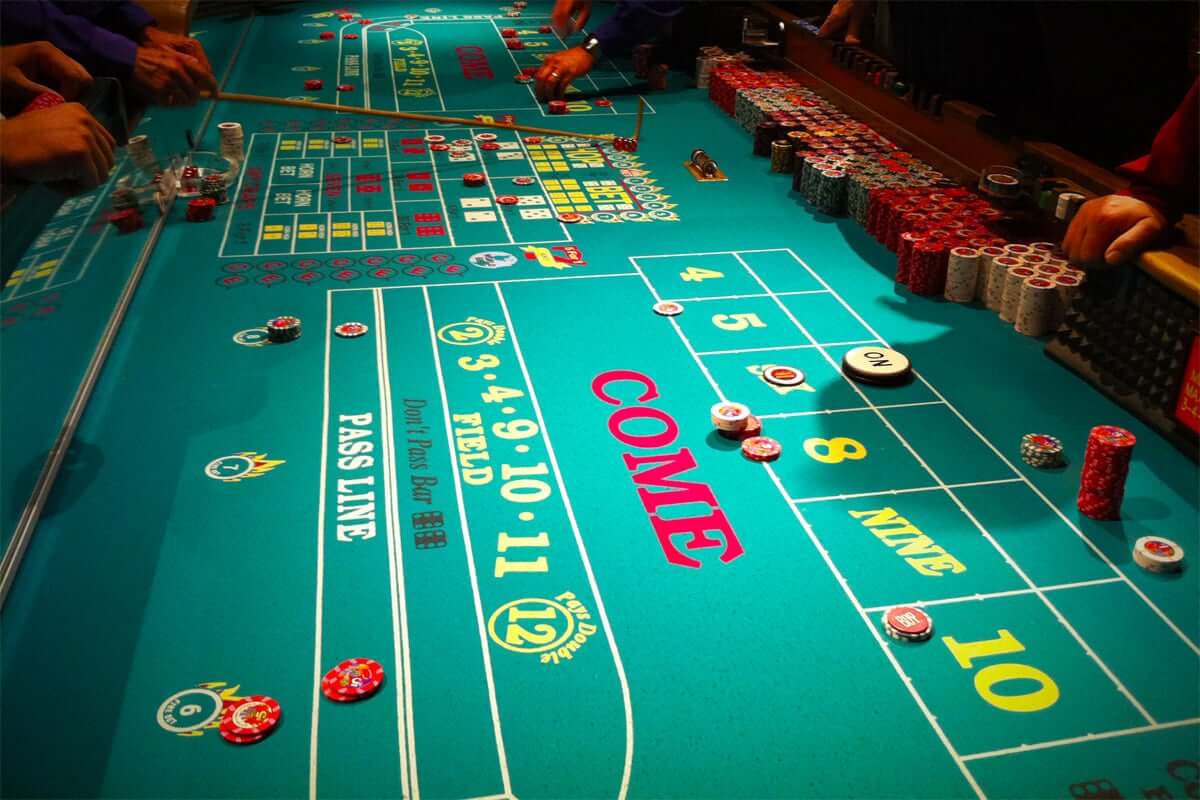
Wait for a break in the action, buy in, and make one Pass Line bet on a fresh come-out with the puck OFF, and add only an affordable amount of Odds after a point is established. Watch a few decisions before adding Come or Place bets. This will not beat the game; it keeps the rules and cost visible.
Before you put cash on the layout
- Read the placard. Confirm the minimum, maximum, allowed Odds, side-bet paytable, and any commission rules.
- Choose a quiet entry. Buy in between shooters or when the puck is off, unless the dealer invites you sooner.
- Use chips that fit the bet. Place 6/8 in multiples of $6 and 5/9 in multiples of $5 at common paytables.
- State one instruction clearly. Let the dealer finish paying before changing several bets.
- Set the stop before play. Decide both time and loss limits away from the table.
The beginner-friendly math
| Bet | Typical edge | Useful note |
|---|---|---|
| Don’t Pass, bar 12 | About 1.36% | Low edge, but wins against the shooter after a point |
| Pass Line | About 1.41% | Simple right-side contract |
| Place 6 or 8 | About 1.52% | Can be called off or removed; use proper units |
| True Odds | 0% on the Odds portion | Adds volatility and dollar exposure |
| Hard 6/8 at 9 to 1 | 9.09% | Much more expensive action |
Taking maximum Odds is not mandatory. It lowers the edge as a percentage of combined Pass-plus-Odds action, but the expected loss on the flat Pass bet stays the same and the amount at risk grows. Choose the dollar amount from the session limit.
Vegas table etiquette that prevents problems
- Keep hands, drinks, and chips out of the dice path.
- When shooting, use one hand and make both dice reach the far wall without trying to throw dangerously hard.
- Place proposition bets through the stickperson instead of reaching into the center.
- Do not celebrate a Don’t win at another shooter’s expense.
- Ask the dealer a short question when the game is not resolving bets.
- Tip according to your preference and budget; never expect favorable rulings in return.
What changes from casino to casino
Minimums, maximum Odds, side bets, Buy/Lay commission timing, and electronic formats can differ by property and shift by time or demand. An old online list is not a table rule. Verify the posted conditions after arriving, and walk away if the minimum forces a layout larger than planned.
Common “winning” advice to reject
- A crowded or cheering table is not more likely to stay hot.
- A 7 is not due because several rolls passed without one.
- Pressing winnings does not make the new chips risk-free.
- A stop-win can protect a session result but cannot improve wager expectation.
- Alcohol, fatigue, and urgency do not create better reads.
Learn the complete sequence in how to play craps, check the table etiquette guide, and compare wagers in the craps-bet guide.
Translate the table minimum into dollars at risk
At a $15 table, a $15 Pass Line wager and $30 Odds create $45 of exposure after a point. Adding $18 each on Place 6 and 8 raises the working total to $81. That may be a valid layout, but it can consume most of a modest session limit in one seven-out.
Plan from the maximum layout backward. If one full loss must stay below $45, the line-plus-Odds example already reaches the limit and leaves no room for Place bets. If $81 would force an ATM visit or an immediate attempt to recover, use fewer wagers, less Odds, or a lower-minimum table. Expected loss describes long-run cost; it is not enough cash to survive short-run variance.
Buying in during a point is not entering Pass Line normally
If the dealer accepts your cash while point 5 is ON, receive the chips and wait for a new come-out before beginning the ordinary Pass contract. A late flat bet on the existing point skips the come-out benefits and is a different wager sometimes called a Put bet. Do not assume placing a chip on the line mid-point buys the same complete contract described in the beginner math table.
For a first session, ask “May I wait for the next come-out to make Pass?” and keep chips in the rack until that entry. You can observe the current point resolve without adding action. Once the puck is OFF and the crew is accepting wagers, use the posted minimum. After your own point is established, ask for the affordable Odds amount through the dealer rather than copying a neighbor’s maximum.